How to Choose Decodable Passages for 1st Grade (Science of Reading)
If you’ve been searching for decodable passages, decodable readers for 1st grade, or Science of Reading–aligned resources for your classroom, you are not alone.
As the Science of Reading has shown us, decoding skills are a foundational part of the reading process. Before students can read with fluency and comprehension, they must be able to accurately and automatically decode words using letter-sound relationships.
That is exactly where decodable passages come in.
In this post, I’m breaking down:
-
Why decodable passages are essential
-
What to look for in strong decodable readers
-
How to know if your materials truly align with structured literacy
-
Where to find high-quality decodable passages for 1st grade and beyond
Why Are Decodable Passages So Important?
The Science of Reading emphasizes explicit phonics instruction and systematic skill progression. In a structured literacy classroom, students are explicitly taught how phonemes (sounds) connect to graphemes (letters).
But instruction alone is not enough. Students need controlled practice. That’s what makes decodable passages so powerful.
Well-designed decodable readers:
-
Reinforce one phonics skill at a time
-
Provide repeated exposure to previously taught skills
-
Limit unknown words
-
Build automaticity
-
Reduce cognitive overload
Instead of guessing from pictures or memorizing patterns, students apply their phonics knowledge to read real text successfully.
For decodable passages, this is especially critical. First graders are transitioning from isolated word reading to connected text. They need carefully controlled text that allows them to succeed.
What Should You Look for in Decodable Readers?
Not all decodable readers are created equal. If you are building a Science of Reading–aligned classroom, here is what to look for in strong decodable passages:
1. One New Phonics Skill at a Time
Strong decodable readers for 1st grade should introduce one focus concept per passage.
For example:
-
Short a CVC words
-
Consonant blends
-
Digraphs
-
Long vowel patterns
-
R-controlled vowels
Students should not be overwhelmed by multiple new phonics patterns in a single passage.
2. A Systematic Scope and Sequence
A true structured literacy approach follows a research-based scope and sequence. Your decodable passages should:
-
Build logically from simple to complex
-
Include only previously taught skills
-
Add new concepts gradually
-
Provide cumulative review
When decodable passages flow into one another, you are no longer piecing literacy together. You are teaching within a system.
3. Controlled Text (This Is Huge)
In strong Science of Reading decodable readers, every word is intentional. Students should encounter:
-
Words with the target phonics skill
-
Previously taught phonics skills
-
Carefully selected high-frequency words
There should not be random advanced patterns or “surprise” words that require guessing.
Controlled text builds confidence.
Confidence builds fluency.
Fluency supports comprehension.
4. Consistent Structure Across Passages
A consistent layout matters more than you might think. When every decodable passage follows the same structure, students:
-
Focus on decoding
-
Know what to expect
-
Build independence
-
Spend less cognitive energy figuring out directions
Consistency allows students to concentrate on the phonics skill being practiced rather than the mechanics of the activity.
What Makes Strong Decodable Passages Even Better?
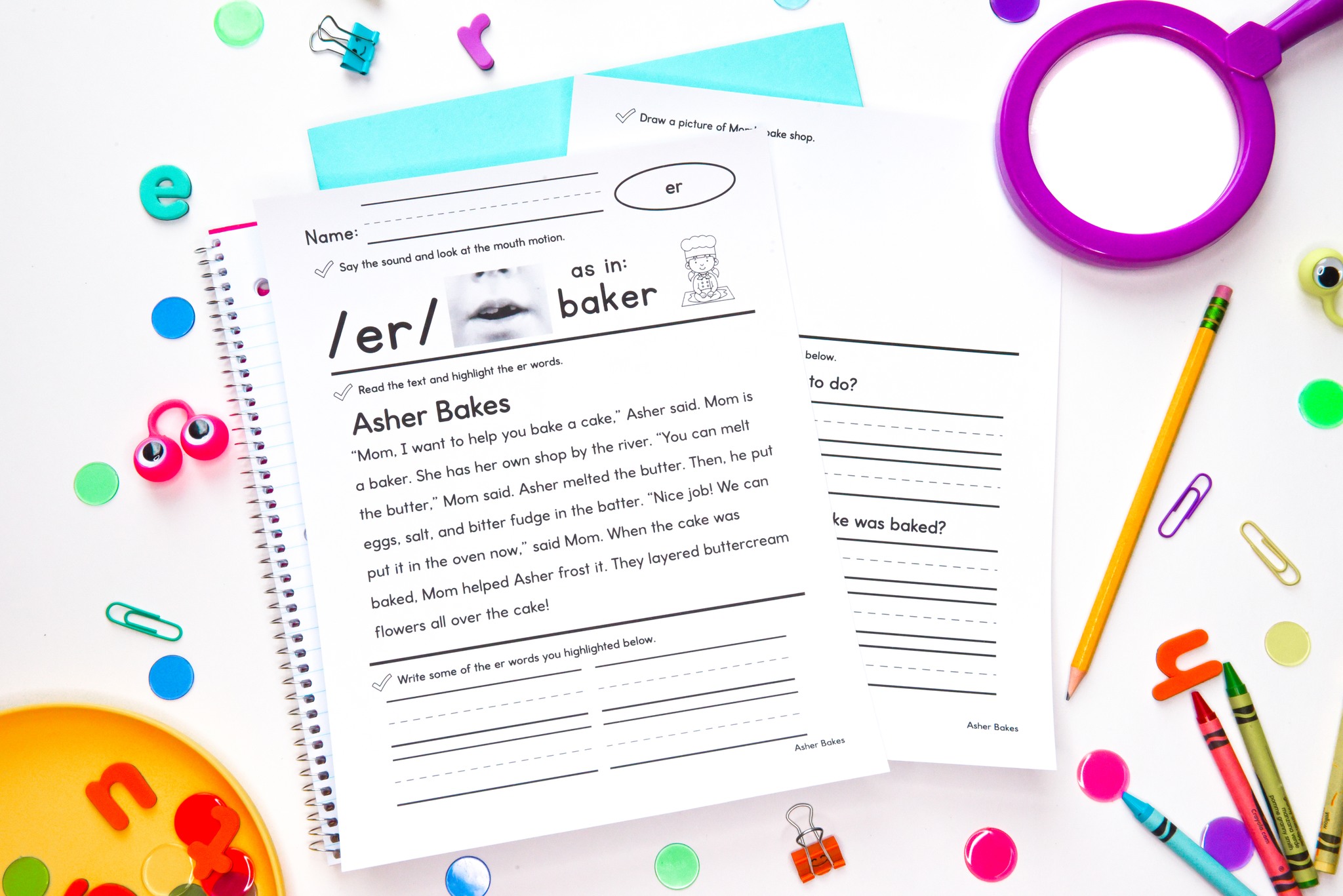
High-quality decodable passages should go beyond just reading the text. Here are additional features that elevate decodable readers:
Mouth Motion Support
Students benefit from explicit articulation instruction.
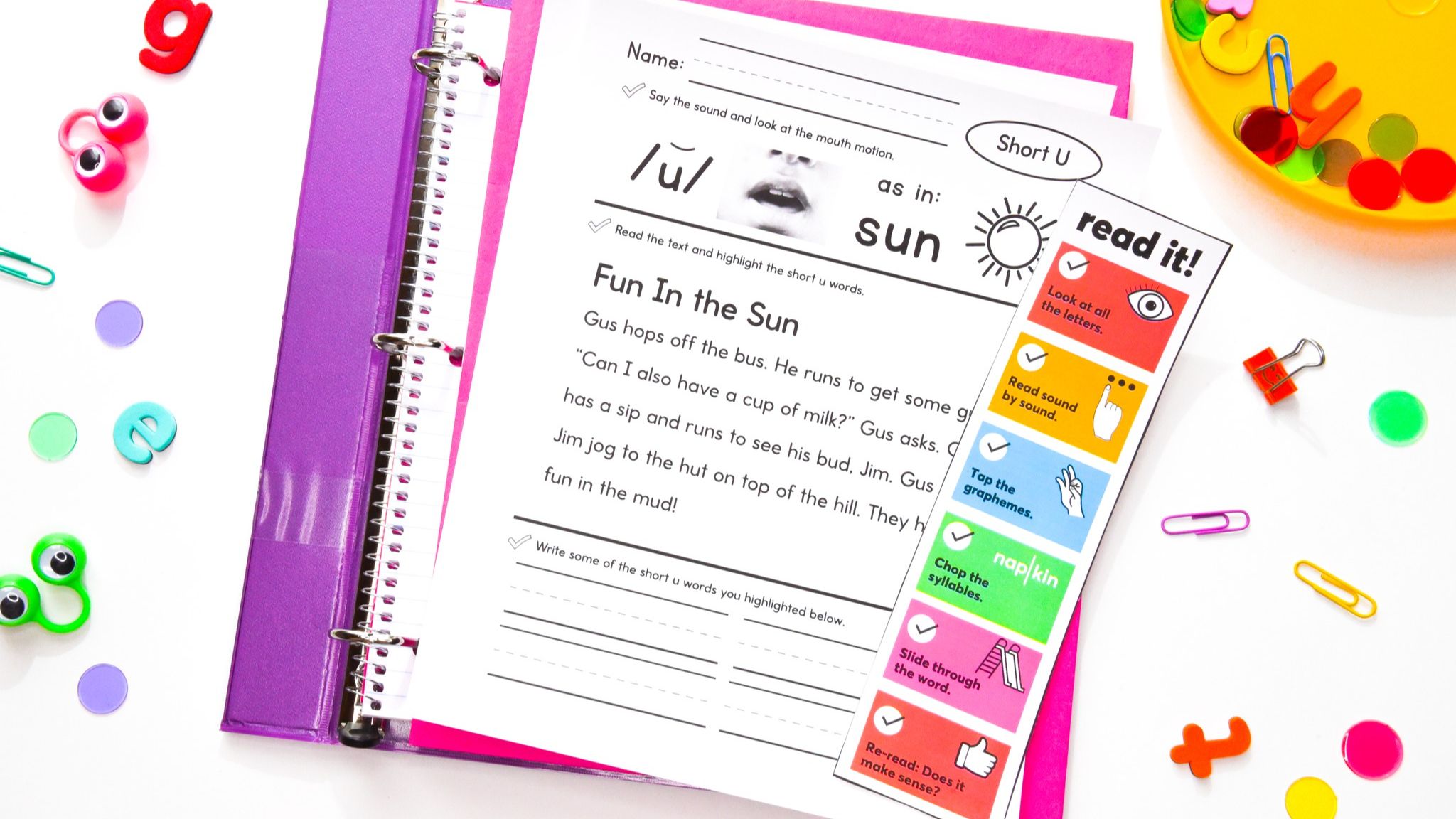
Including visual mouth cues helps students see how sounds are formed. When students understand how the mouth, tongue, and teeth align to produce a phoneme, their accuracy improves dramatically.
Focus Sound Spelling Practice
Students should actively engage with the text.
Highlighting or identifying words that demonstrate the focus phonics pattern reinforces sound-spelling connections and strengthens orthographic mapping.
Visualization and Comprehension
Structured literacy does not stop at decoding. After reading, students should:
-
Visualize the text
-
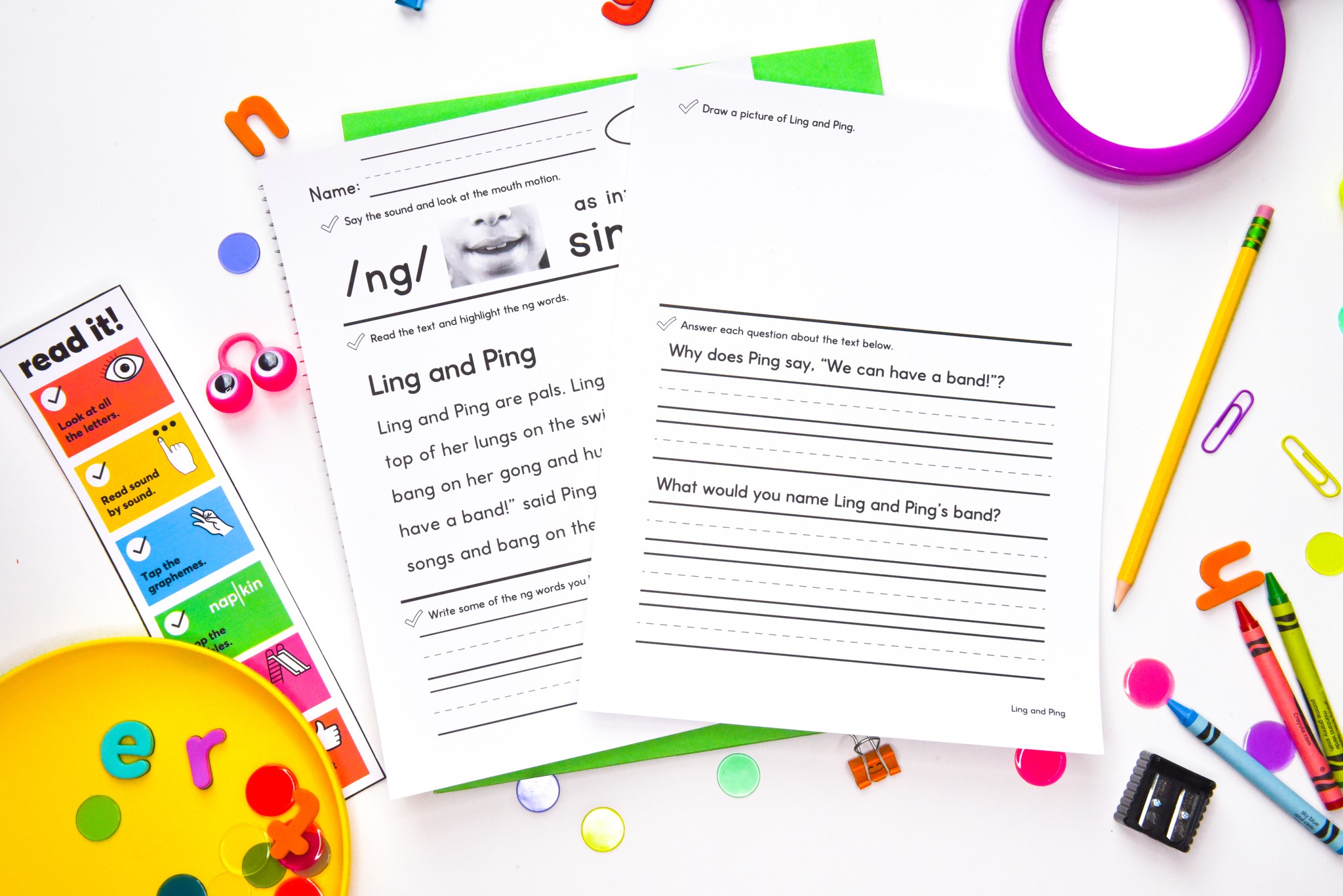
Draw what happened
-
Answer comprehension questions
Decodable passages can absolutely support comprehension. In fact, once decoding is accurate and automatic, comprehension improves because cognitive resources are freed up.
Where Can You Find High-Quality Decodable Passages?
If you have struggled to find true Science of Reading–aligned decodable passages, you are not alone. Many resources claim to be decodable but are not fully controlled or systematically sequenced.
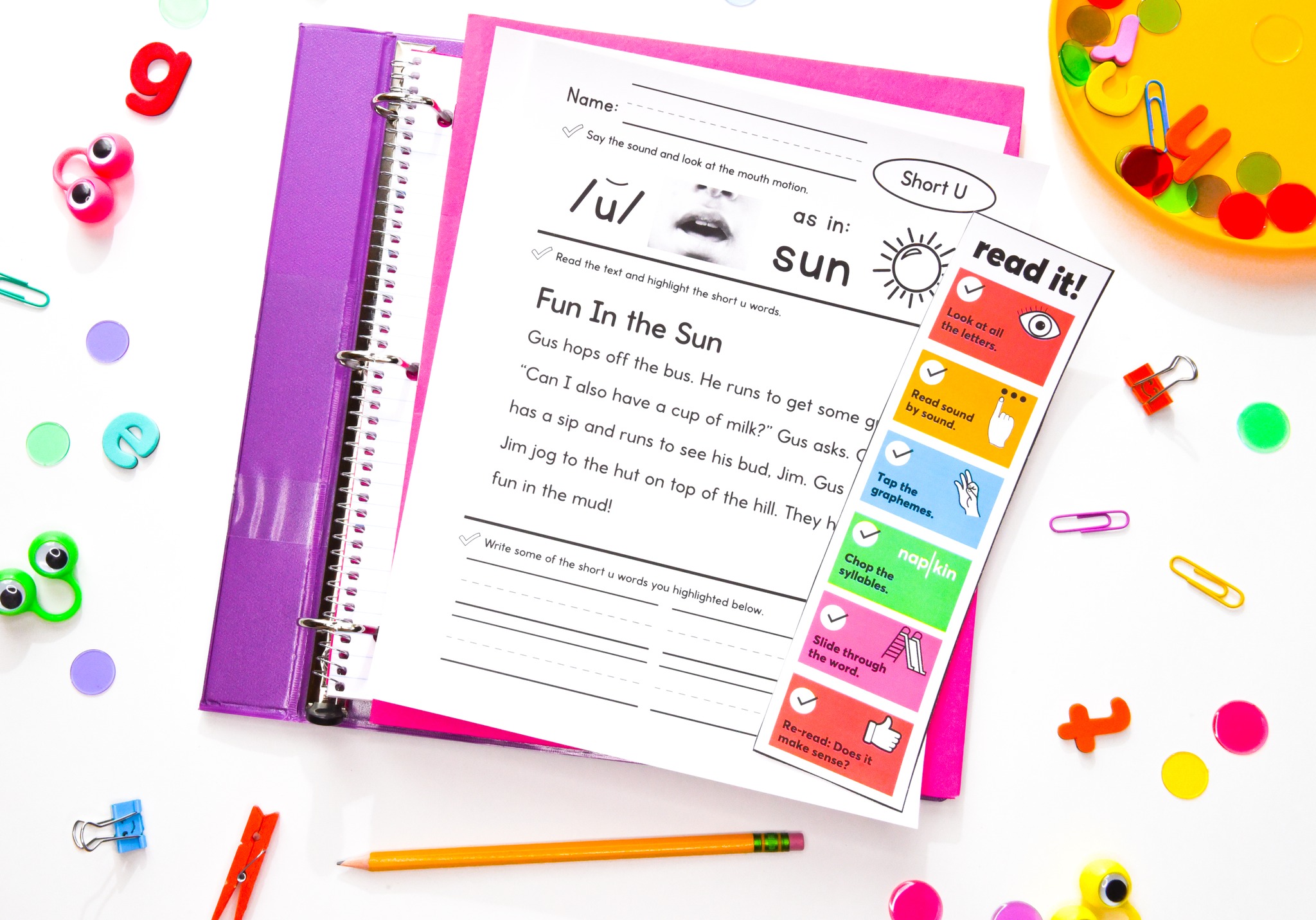
Decodable Passages VIP Pass
The Decodable Passages VIP Pass includes:
-
200+ highly controlled decodable passages
-
Structured literacy–aligned scope and sequence
-
One phonics focus per passage
-
Cumulative review
-
Focus sound spelling sections
-
Visualization prompts
-
Reading comprehension questions
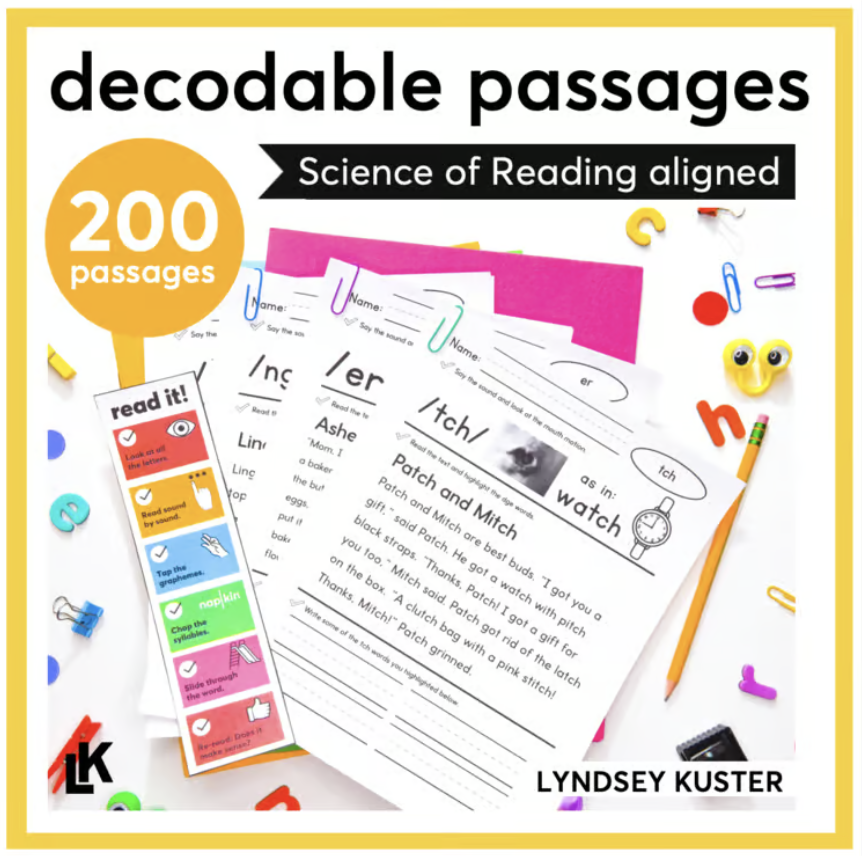
Every word is intentionally selected to ensure students practice:
-
The target phonics skill
-
Previously taught skills
-
Carefully chosen high-frequency words
This allows students to build confidence while strengthening foundational reading skills.
Looking for a Full Library of Decodable Readers?
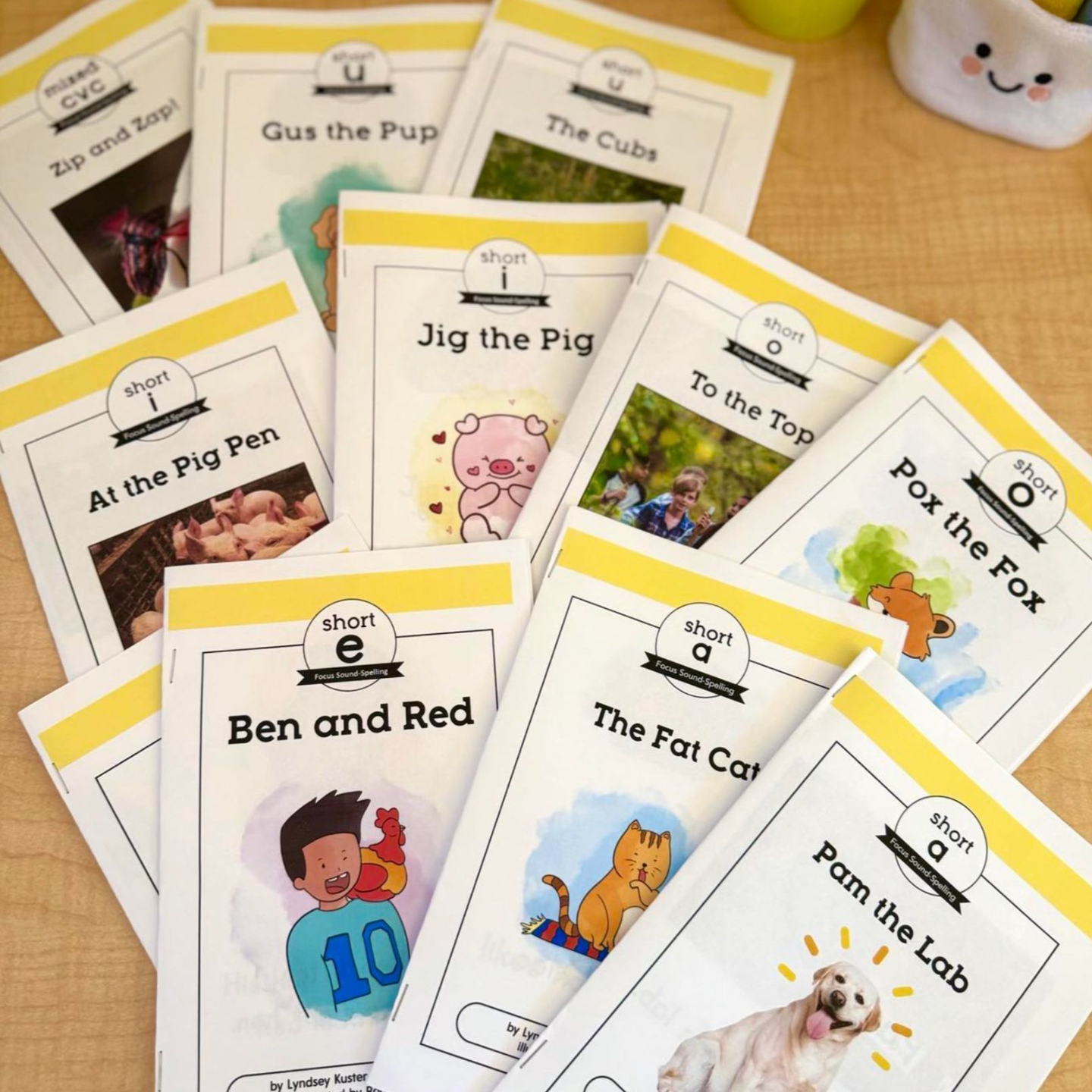
If you are searching specifically for decodable readers for 1st grade for small group instruction, you may also want to explore a complete decodable readers library.
Road to Decode
Road to Decode is a research-based, systematic structured literacy program that provides:
-
Beautifully illustrated decodable readers
-
Explicit lesson plans
-
Multisensory phonics activities
-
A clearly defined scope and sequence
-
Science of Reading alignment
This system supports teachers in moving students from decoding to comprehension in a structured, intentional way.
You can explore the program or start with a free trial to determine if it is the right fit for your classroom.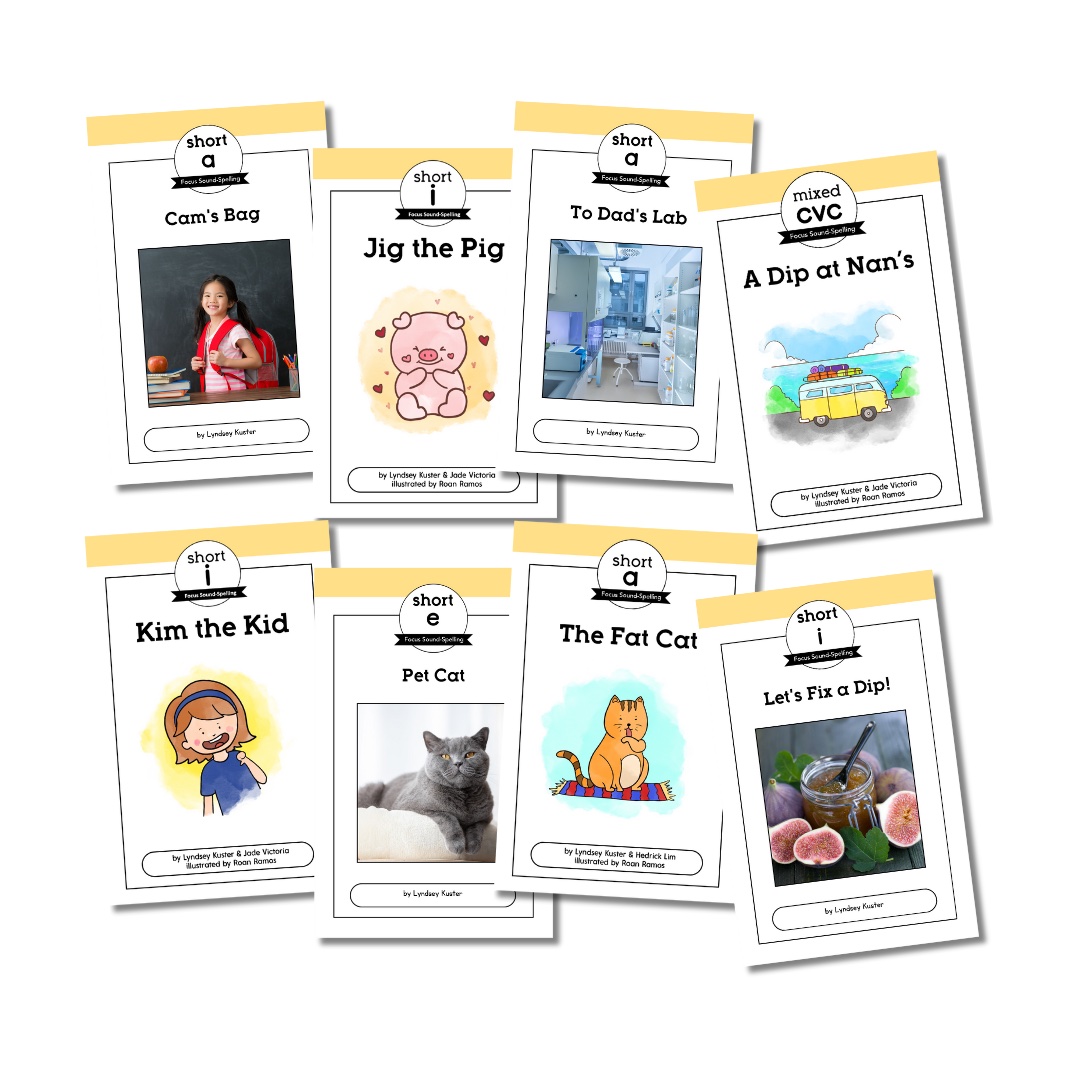
Final Thoughts on Decodable Passages and Structured Literacy
When chosen carefully, decodable passages are not just another reading activity. They are a powerful tool within a structured literacy framework.
When students:
-
Learn phonics explicitly
-
Practice through controlled decodable readers
-
Build automaticity
-
Strengthen comprehension
They become confident, capable readers.
If you are building a Science of Reading–aligned classroom, investing in high-quality decodable passages for 1st grade and systematic decodable readers can transform your literacy block.
And the best part?
You no longer have to piece literacy together.
You can teach within a system.